
Exploring the historical journey of casinos through time
Exploring the historical journey of casinos through time
The Origins of Gambling and Early Casinos
The history of casinos dates back thousands of years, with gambling activities emerging in ancient civilizations. Evidence suggests that around 3000 BC, the Chinese were using rudimentary forms of dice games, while ancient Egyptians engaged in similar activities. These early forms of gambling did not resemble modern casinos, but they laid the foundation for games of chance that would evolve over time. The thrill of risking something of value for a potential reward captures human fascination, a sentiment that remains prevalent today. For beginners looking to explore this world, sites like https://katanaspin-casino-uk.com can provide a great starting point.
As cultures evolved, so did the methods of gambling. In ancient Rome, large public games were organized, where citizens could gamble on various events, including gladiatorial contests. The Roman Empire’s influence helped spread gambling practices throughout Europe, paving the way for more structured environments where games could take place. By the Middle Ages, gaming houses began appearing, often in clandestine locations, reflecting society’s complex relationship with gambling.
The Renaissance period marked a significant turning point in casino history. With advancements in architecture and culture, the first official gambling houses were established, particularly in Italy. The Casino di Venezia, built in 1638, is recognized as one of the oldest casinos in the world. It represented a formalization of gambling, offering a variety of games in a dedicated space, which was a precursor to the modern casino we recognize today.
The Rise of Modern Casinos in the 19th Century
The 19th century brought about profound changes in the landscape of gambling, particularly with the establishment of casinos as we know them today. Monte Carlo, a small district in Monaco, became synonymous with luxury and gaming. The Casino de Monte-Carlo opened in 1863, drawing in aristocrats and wealthy tourists from around the world. Its opulent architecture and exclusive atmosphere solidified the casino’s place in popular culture and set the standard for future establishments.
During this time, gaming tables and slot machines began to develop into sophisticated forms, expanding the variety of games offered. The introduction of roulette and blackjack during this period transformed the gambling experience. These games were not only enjoyable but also accessible, making casinos increasingly popular among a broader demographic beyond just the elite. As gambling became more mainstream, governments started to regulate the industry, ensuring fair play and integrity.
As the century progressed, the United States saw a surge in casino development, especially in cities like New Orleans and later Las Vegas. The Gold Rush era played a critical role in this expansion, as people flocked to these regions in search of fortune, seeking not just gold but entertainment. The casinos that sprang up catered to this influx, creating a vibrant gaming culture that would ultimately lead to the iconic status of Las Vegas.
The Evolution of Gambling Laws and Regulation
The evolution of gambling laws has significantly impacted the historical journey of casinos. Initially, gambling was largely unregulated, allowing for widespread corruption and cheating. However, as casinos gained popularity and profitability, governments recognized the need for regulation to protect players and ensure fair practices. By the early 20th century, many countries began implementing laws to govern gambling activities, creating a framework for the establishment of licensed casinos.
The Prohibition Era in the United States during the 1920s further complicated the landscape. While many legitimate casinos were forced to close, illegal gambling operations thrived. This period highlighted the complexity of the gambling industry’s relationship with legality and morality. After World War II, the need for tax revenue prompted many states to reconsider their gambling laws, leading to the legalization of casinos in places like Nevada and Atlantic City.
Today, the landscape of gambling regulation varies significantly across the globe. Some countries have embraced casinos, creating thriving gaming industries, while others maintain strict restrictions. Online casinos have also emerged, leading to new regulatory challenges. The evolution of laws reflects society’s changing attitudes towards gambling, balancing the desire for entertainment and the need for responsible gaming practices.
The Technological Revolution in Casinos
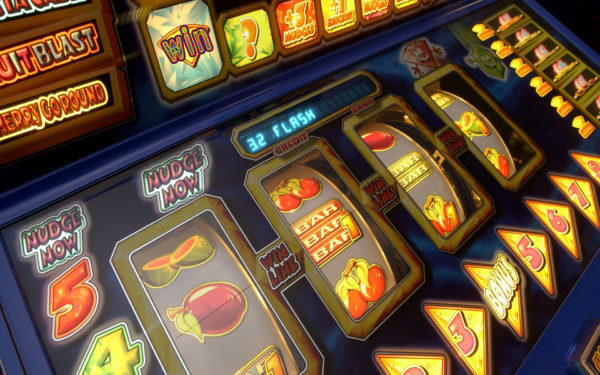
The advent of technology has drastically transformed the casino industry. From the early days of brick-and-mortar establishments to the rise of online gaming, technology has reshaped how players engage with their favorite games. The introduction of slot machines revolutionized casinos, offering players a quick and entertaining way to gamble. Over the years, advancements in design and technology have made these machines more captivating, integrating sound and visual effects to enhance the gaming experience.
The online casino boom in the late 1990s marked another significant technological milestone. Players could now access thousands of games from the comfort of their homes, expanding the reach of casinos beyond geographical limitations. Online platforms offered diverse gaming options, including live dealer games, which replicate the casino atmosphere in a digital setting. This shift not only attracted new players but also provided seasoned gamblers with a broader array of experiences.
Recent advancements, such as virtual reality and mobile gaming, are setting the stage for the next evolution in casinos. As technology continues to advance, casinos are increasingly incorporating innovative features to improve player engagement. The use of data analytics is helping casinos understand player preferences, enabling them to tailor experiences and promotions. As we look to the future, it is clear that technology will continue to play a pivotal role in shaping the casino landscape.

Modern Casinos and Their Role Today
Today’s casinos represent a fusion of entertainment and luxury, attracting millions of visitors worldwide. They have evolved beyond mere gambling establishments to comprehensive entertainment hubs that include fine dining, shopping, and live performances. Major cities across the globe, from Las Vegas to Macau, have developed mega-resorts that offer an array of experiences designed to attract and retain guests. This diversification is crucial for the sustainability of casinos in an increasingly competitive market.
Furthermore, casinos have adopted a more socially responsible approach in recent years. Many establishments are now implementing measures to promote responsible gambling, providing resources and support for those who may struggle with addiction. The focus on customer safety and well-being has become a priority, reflecting a growing recognition of the societal implications of gambling.
The online casino landscape, as seen with platforms like KatanaSpin, offers an alternative to traditional venues, catering to players who prefer the convenience of online gaming. With robust security measures and customer support, these platforms aim to create a safe and enjoyable environment for users. This blending of online and offline experiences marks a new chapter in the history of casinos, demonstrating their adaptability and resilience in an ever-changing world.